
Get in touch:
608-709-8683 | hello@polco.us

BUDGET SIMULATION

Let Your Residents Balance the Budget and Watch Trust Follow

Budget Simulation puts your real revenue and spending data in residents' hands, so they feel the tradeoffs you face every year, and give you input you can actually use.

Your Comment Period is Collecting Reactions, not Understanding

Most budget engagement follows the same pattern: publish the proposal, hold a hearing, take three minutes of public comment, move forward mostly as planned. Then the complaints start, not about the process, but about being blindsided by the outcome.

That's not a failure of effort. It's a format problem. By the time residents see a budget, every tradeoff has already been made. What's left for them is agreement or objection, not participation.

The result shows up the same way in city halls, school districts, and transit agencies across the country: low turnout at hearings, frustration that decisions happened "without warning," and staff who spend budget season managing pushback instead of gathering input they can use.

Polco Blog - Your Public Comment Period Isn't Working

The real question isn't whether residents care about the budget. It's whether they've ever been given enough information to weigh in on it meaningfully. 

Try a Live Demo →

From Real Numbers to Real Understanding, in Three Steps

Load your real budget data

 Start from a ready-to-use template built for city and county budgets, or one designed specifically for school districts. Add your actual revenue and expense categories, set realistic minimums and maximums for each line item, and write plain-language descriptions of what each one funds. AI setup assistance can help draft descriptions and structure your data, so this step takes hours, not weeks. 

Residents build the budget themselves

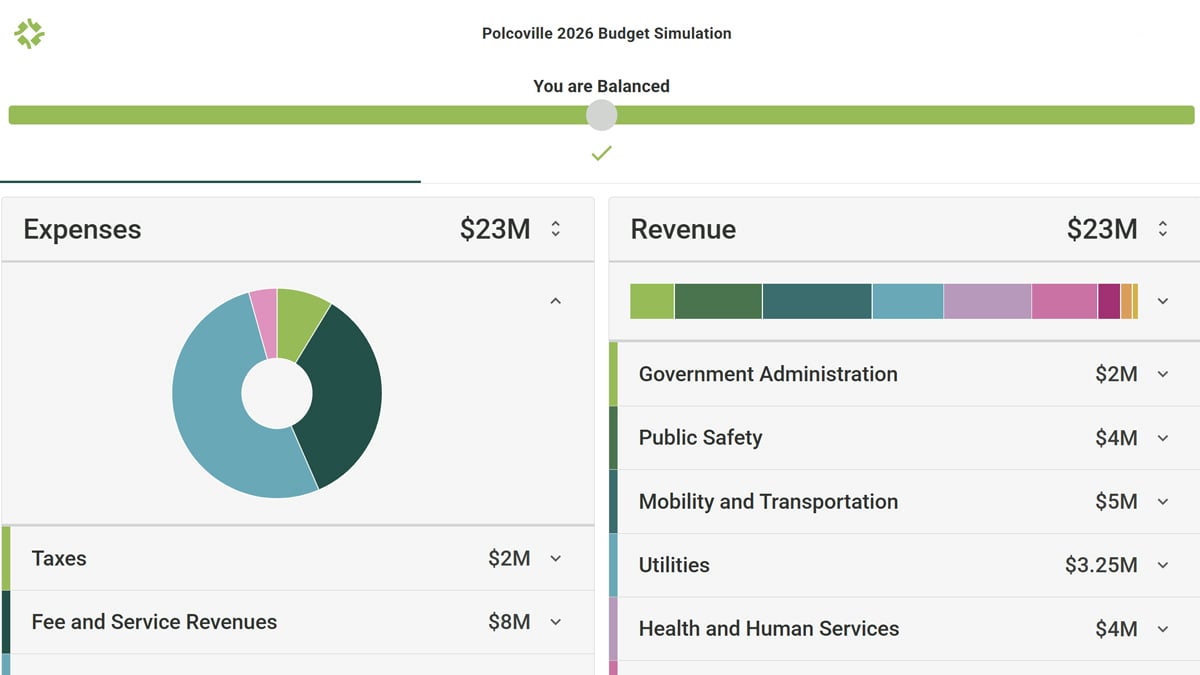
 Residents use sliders and simple choices to adjust real spending and revenue categories. A live balance bar shows them, in real time, whether their choices produce a surplus, a deficit, or a balanced budget, exactly like the constraint your finance team works under every year. The full experience takes about ten minutes and works on any device. 

You get results built for real decisions

 Every submission becomes structured, analyzable data. Automatic demographic weighting makes results representative of your full community. Divisiveness analysis shows elected officials exactly where consensus exists and where it doesn't. Every chart exports directly into council packets and public reports.

Governments Are Already Seeing the Difference

Blog-CaseStudy-EdmondsSchoolDistrict

Edmonds School District

faced a projected deficit between $7 and $10 million and years of residents saying "we didn't even know this was happening." After launching a budget simulation, the district saw more than 14,000 pageviews, nearly 2,000 hours of resident engagement, and over 2,200 completed submissions across two budget cycles.

Polco Blog - Lawrence Uses Polco to Educate and Engage Residents About Budget Trade-offs - Photo credit: @ExploreLawrence Instagram

Lawrence, Kansas

 used service-level rubrics to help nearly 300 residents understand exactly what their budget choices meant for city services. The result was a clear community mandate for new investment in housing and homelessness programs, and a quieter, less contentious budget season than the city had seen before. 
Polco Blog: Riders Use Online Simulation Tool to Shape LA Metro Budget

LA Metro

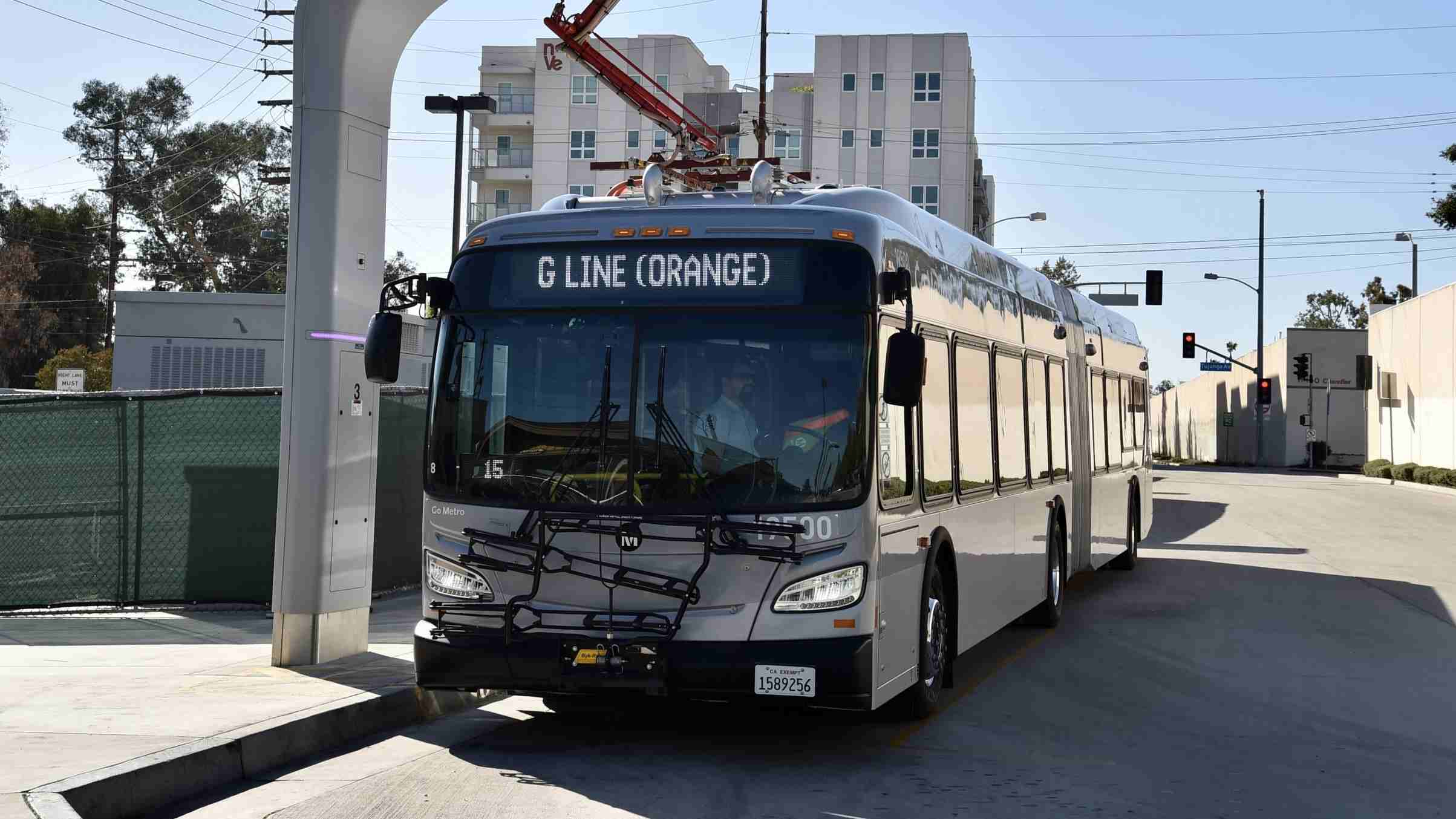
put its $8.7 billion transit budget in riders' hands. The average rider spent 20 minutes engaging with real tradeoffs. Metro used the results to increase mental health funding by more than $25 million and adjust service frequency across its system.


Polco is Trusted by 1,500+ Communities Nationwide

Polco is trusted by more than 400 U.S. local governments, 8 state governments, and 20+ international cities and states, with over 1,500 communities nationwide using Polco's tools. 

70k

Data on 70k jurisdictions

30m

30 million voices represented

30+

30+ years of resident input

FAQs

Is this hard to set up if we've never done budget engagement before?

No. Most governments start from a pre-built template with realistic categories already in place. AI setup assistance helps configure your data and draft resident-facing descriptions, so most teams go from first login to a launched simulation in a matter of days.

Will this just generate unrealistic demands from residents?

The opposite tends to happen. Because residents work within real constraints, minimums, maximums, and a live balance requirement, their input reflects genuine tradeoffs rather than a wish list. Governments consistently report that feedback becomes more specific and more usable, not less realistic.

How do we know the results reflect our whole community, not just the loudest voices?

Automatic demographic weighting adjusts results so they reflect your community's actual makeup, not just whoever happened to respond. Participation analytics show you exactly who responded so you can identify and address any gaps.

Can this work for a school district, transit agency, or other special-purpose government, not just a city?

Yes. Templates exist for general city and county budgets as well as school districts, and the underlying simulation engine can be adapted to transit budgets, capital improvement plans, and other constrained-resource decisions.

What if we want to see it in action before committing to anything?

Try the live demo simulation to explore the resident experience firsthand, no setup required. When you're ready to see it built around your own data, request a demo with our team.

See What Your Residents Could Tell You

Every budget season, someone asks why residents don't understand the tradeoffs. Budget Simulation is how you find out what happens when they do.